
Discover Wildlife on the North Coast 500
The North Coast 500 is one of the best places to experience Scotland’s incredible wildlife. Passing through dramatic coastlines, sea lochs, mountains and woodlands, the route is home to an extraordinary variety of species. Along the way, you may have the chance to spot bottlenose dolphins, seals, puffins, seabirds, red deer and many more animals that call the Highlands home.
Wildlife encounters are one of the most memorable parts of exploring the North Coast 500, but sightings can never be guaranteed. Animals are wild and their movements are influenced by the seasons, weather and natural conditions. However, knowing where to look, visiting at the right time of year and choosing wildlife experiences led by knowledgeable local guides can all help you make the most of your adventure while respecting the wildlife and landscapes that make the Highlands so special.
Dolphin Spotting
Seeing bottlenose dolphins in their natural habitat is one of the most memorable wildlife experiences on the North Coast 500. The waters of the Moray Firth are home to a resident population of dolphins, offering visitors the chance to spot these incredible marine mammals from the shore or while exploring the coastline by boat.

Photo: © Charlie Phillips/WDCs
Where can you see dolphins on the North Coast 500?
Chanonry Point near Fortrose is one of the most well-known places to watch for dolphins along the North Coast 500. Located on the Black Isle, this viewpoint looks across the narrow channel where dolphins are often spotted passing through the Moray Firth.
The surrounding coastline, including areas around Cromarty, also offers opportunities to look for dolphins from the shore. If you are watching from land, take your time and enjoy the experience — dolphins can appear unexpectedly, making every sighting feel special.
When is the best time to see dolphins?
Bottlenose dolphins live in the Moray Firth throughout the year, but May to September is often considered one of the best times for dolphin watching, with more frequent sightings and longer daylight hours making it a popular time to visit.
Sightings are still influenced by natural factors such as tides, weather and the dolphins’ movements, so every encounter is different.
Dolphin watching experiences on the North Coast 500
While watching dolphins from the shore is a memorable experience, heading out onto the Moray Firth by boat offers another way to explore these waters and discover the marine life that lives here.
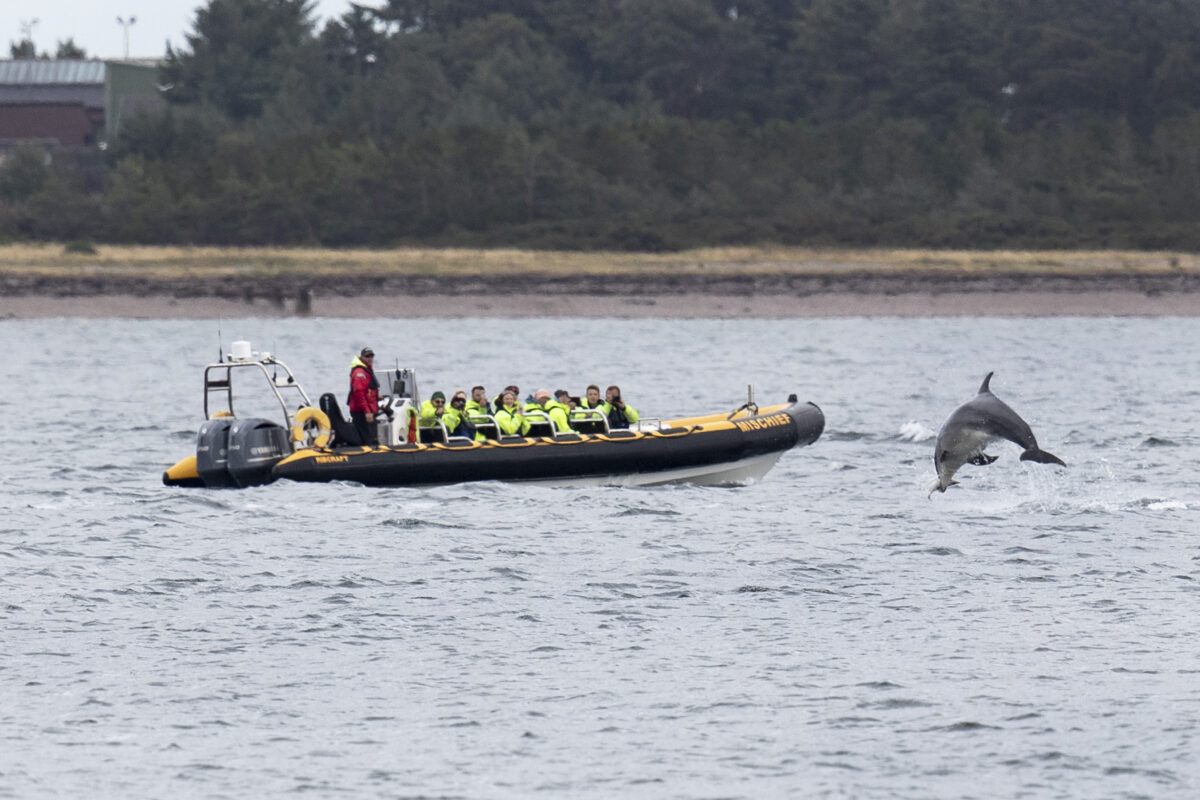
Photo: © Dolphin Spirit
Dolphin Spirit offers wildlife boat trips from Inverness Marina, with the chance to see bottlenose dolphins alongside other species found in the Moray Firth, including seals and seabirds. Visitors can choose between the Dolphin Spirit wildlife cruise or the faster-paced Mischief RIB experience, which explores the wider Moray Firth and passes through the famous Chanonry Narrows.
Find out more about Dolphin Spirit
Seal watching
Resting on rocky shores, sandbanks and quiet stretches of coastline, seals are one of the marine animals visitors may spot around Scotland’s northern waters. Along the North Coast 500, these fascinating mammals can sometimes be seen basking on the shore or swimming through the waters as you explore the coastline.
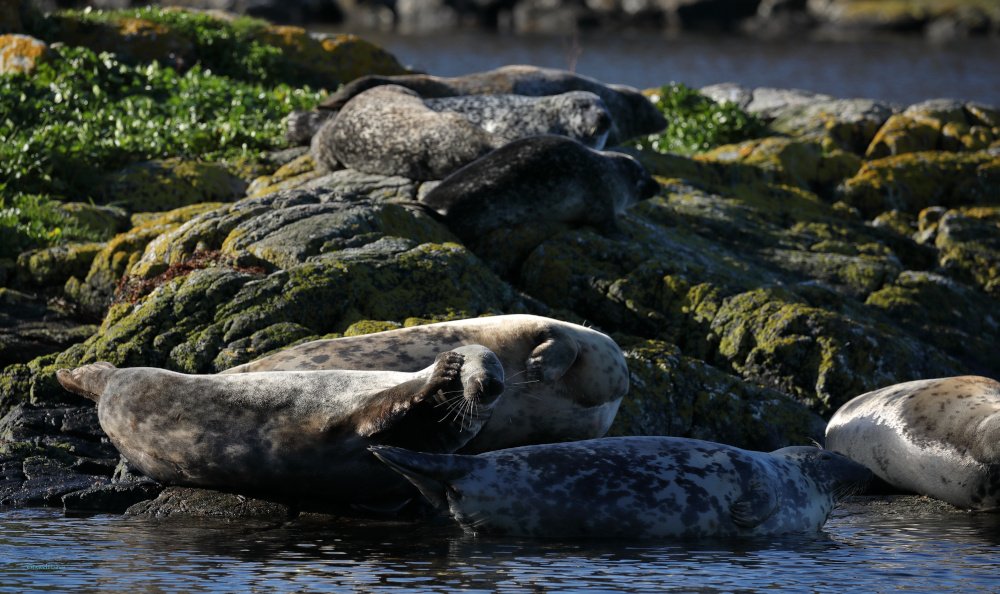
Photo: © North Coast Sea Tours
Where can you see seals on the North Coast 500?
Loch Fleet National Nature Reserve, near Golspie, is one of the best-known places along the route to look for seals from land. As the tide recedes, harbour seals are often seen resting on the reserve’s sandbanks, offering the chance to observe them from a respectful distance.
Further north, the waters around the Kyle of Tongue and the coastline near Faraid Head, close to Durness, are also places where visitors may spot seals while exploring the coast.
If you are lucky enough to see seals, remember that they are wild animals and should never be approached. They rely on beaches, rocks and sandbanks to rest, and getting too close can cause unnecessary stress, particularly during pupping season. Always observe seals from a safe distance and avoid moving closer, even if they appear calm or relaxed.
Seal watching experiences on the North Coast 500
For a different perspective of the coastline, a boat trip can reveal marine wildlife that may be harder to spot from shore. Exploring the waters around Assynt with a local skipper offers the chance to discover the area’s rich marine life while viewing wildlife from a respectful distance.
North Coast Sea Tours runs wildlife spotting boat trips from Lochinver, exploring the coastline and waters around the islands of Soyea and Cleit, as well as Loch Roe, where seals are often seen. Depending on conditions and wildlife activity, trips may also encounter other species including porpoises, dolphins, minke whales and a variety of seabirds, while showcasing the dramatic scenery of Assynt.
Find out more about North Coast Sea Tours
Marine life beneath the surface
The waters around the North Coast 500 are home to far more than dolphins and seals. Beneath the surface, a hidden world of marine life thrives, from rocky shore habitats and kelp forests to the smaller creatures that live along Scotland’s coastline.
For those looking to explore beneath the waves, Liquid Footprints offers guided snorkelling experiences along the Highland coast. Trips are adapted to the location and conditions, giving visitors the chance to discover the marine environment and encounter coastal wildlife, including fish, crabs, jellyfish and other species that live beneath the surface.
Find out more about Liquid Footprints
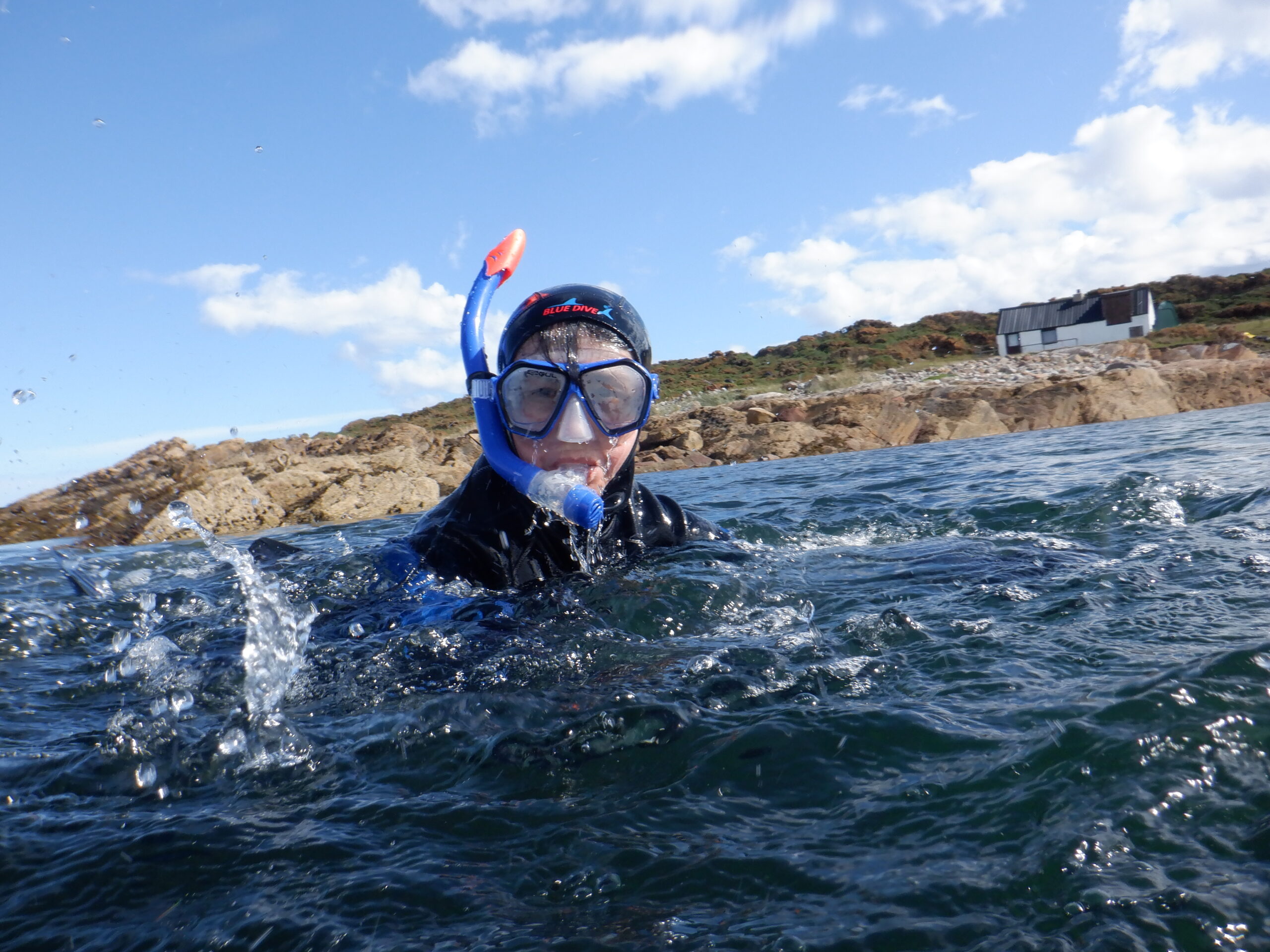
Photo: © Liquid Footprints
If you would rather stay above the water, Glass Bottomed Boat Tours in Gairloch offers another way to explore the sea. With underwater viewing panels and coastal cruises led by an experienced skipper, visitors can look beneath the waves while taking in the dramatic scenery of the NC500 coastline. Trips can also include bringing up creels to reveal some of the creatures living below the surface.
Find out more about Glass Bottomed Boat Tours
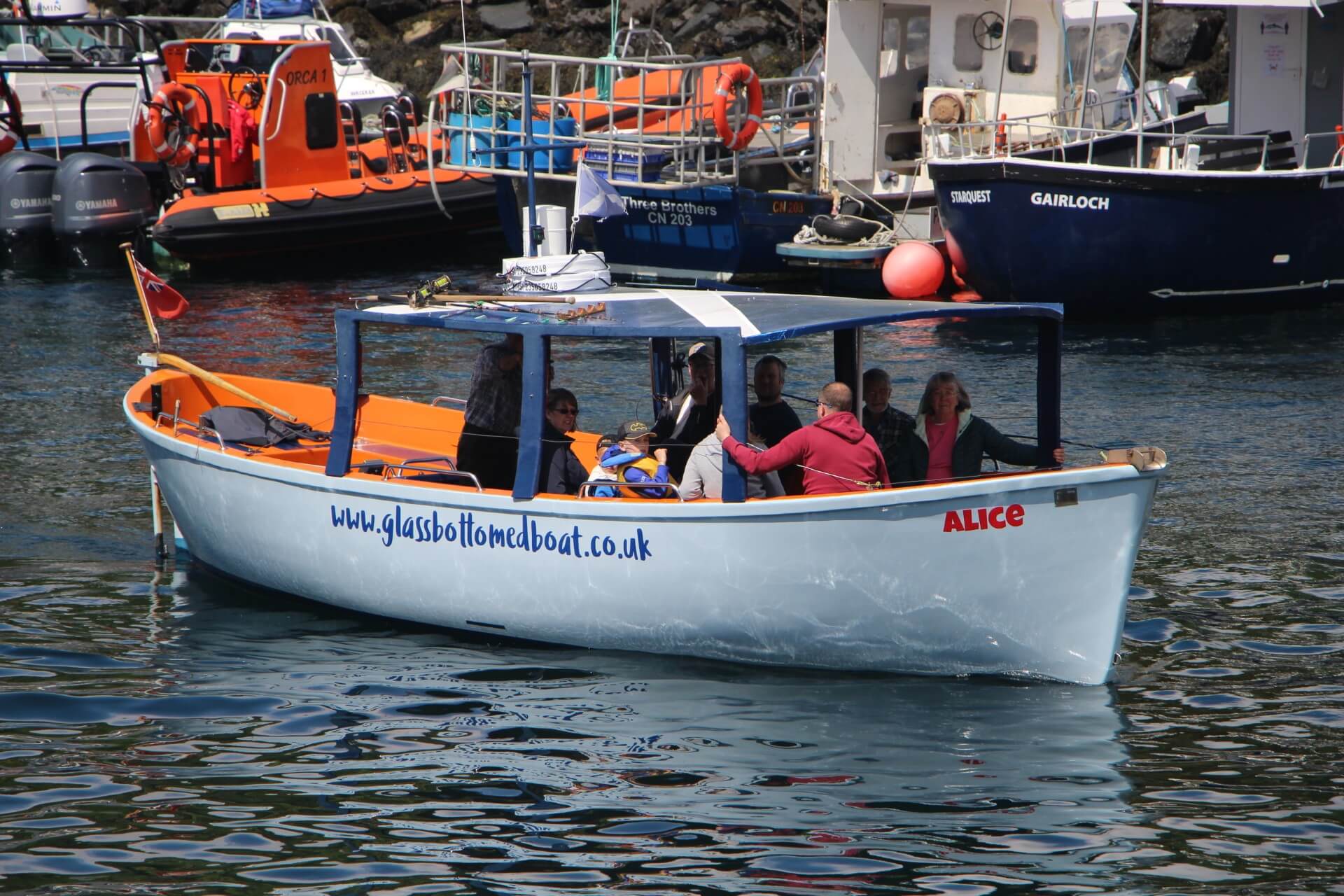
Photo: © Glass Bottomed Boat
Puffins on the North Coast 500
With their colourful beaks and unmistakable appearance, puffins are among Scotland’s most loved seabirds. Unlike seals and dolphins, they are seasonal visitors to the Highlands, returning to coastal cliffs and islands in spring and summer to breed before spending the winter months out at sea.
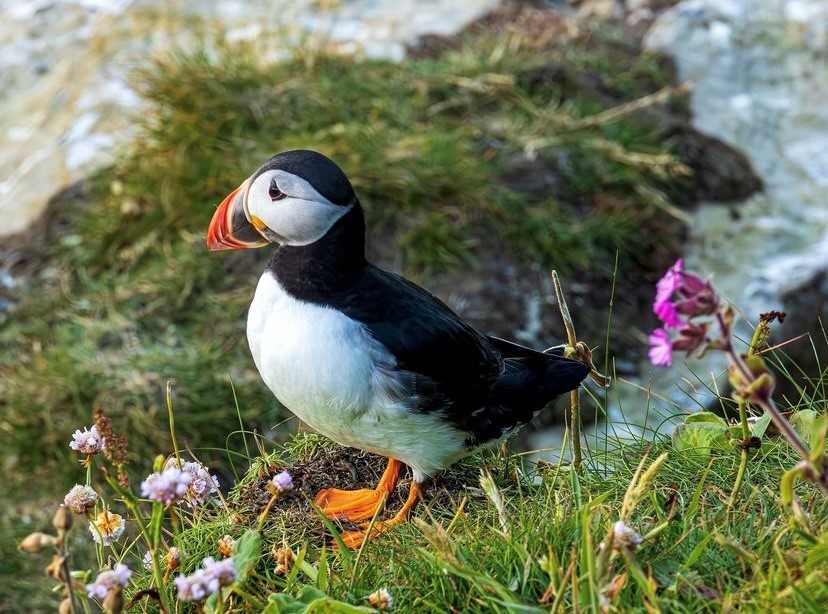
Where can you see puffins on the North Coast 500?
Dunnet Head, the most northerly point of mainland Britain, is one of the best known places along the North Coast 500 to look for puffins. The cliffs at RSPB Scotland Dunnet Head Nature Reserve provide nesting sites for puffins alongside other seabirds, including razorbills and guillemots.
The reserve’s coastal viewpoints offer the chance to watch these remarkable seabirds while taking in the dramatic scenery of Caithness. As with all wildlife, sightings cannot be guaranteed, so take your time, observe from a distance and avoid disturbing nesting areas.
When is the best time to see puffins?
Puffins return to their breeding colonies in spring, with the best chance of seeing them generally from late April through July. During this time, they gather at coastal nesting sites to breed and raise their young before leaving again later in the summer.
Wildlife after dark
The Highlands reveal a different side of wildlife after sunset, when animals that are often harder to spot during the day become active. For visitors looking to experience the landscape in a new way, guided evening tours offer the chance to discover Highland wildlife after dark.

Photo: © Links House, Royal Dornoch
Launching from autumn 2026, Links House at Royal Dornoch will introduce Wildlife by Night Highland Adventure safaris in partnership with local wildlife and outdoor adventure expert Kurt Connell. Using thermal imaging technology, the guided tours will allow guests to observe Highland wildlife at dusk and into the night, including pine martens, deer, foxes and badgers.
The tours take place from the comfort of a specially modified vehicle, using thermal imaging equipment to help guests observe wildlife discreetly without disturbing the animals. With more than 15 years’ experience in outdoor pursuits and conservation, Kurt will guide guests through remote areas of Sutherland along the North Coast 500.
Find out more about Wildlife by Night Highland Adventure
Highland cows and farm experiences
Not every memorable animal encounter on the North Coast 500 happens in the wild. Along the route, visitors can also discover family-run farms where they can meet some of Scotland’s best-loved animals while experiencing another side of Highland life.
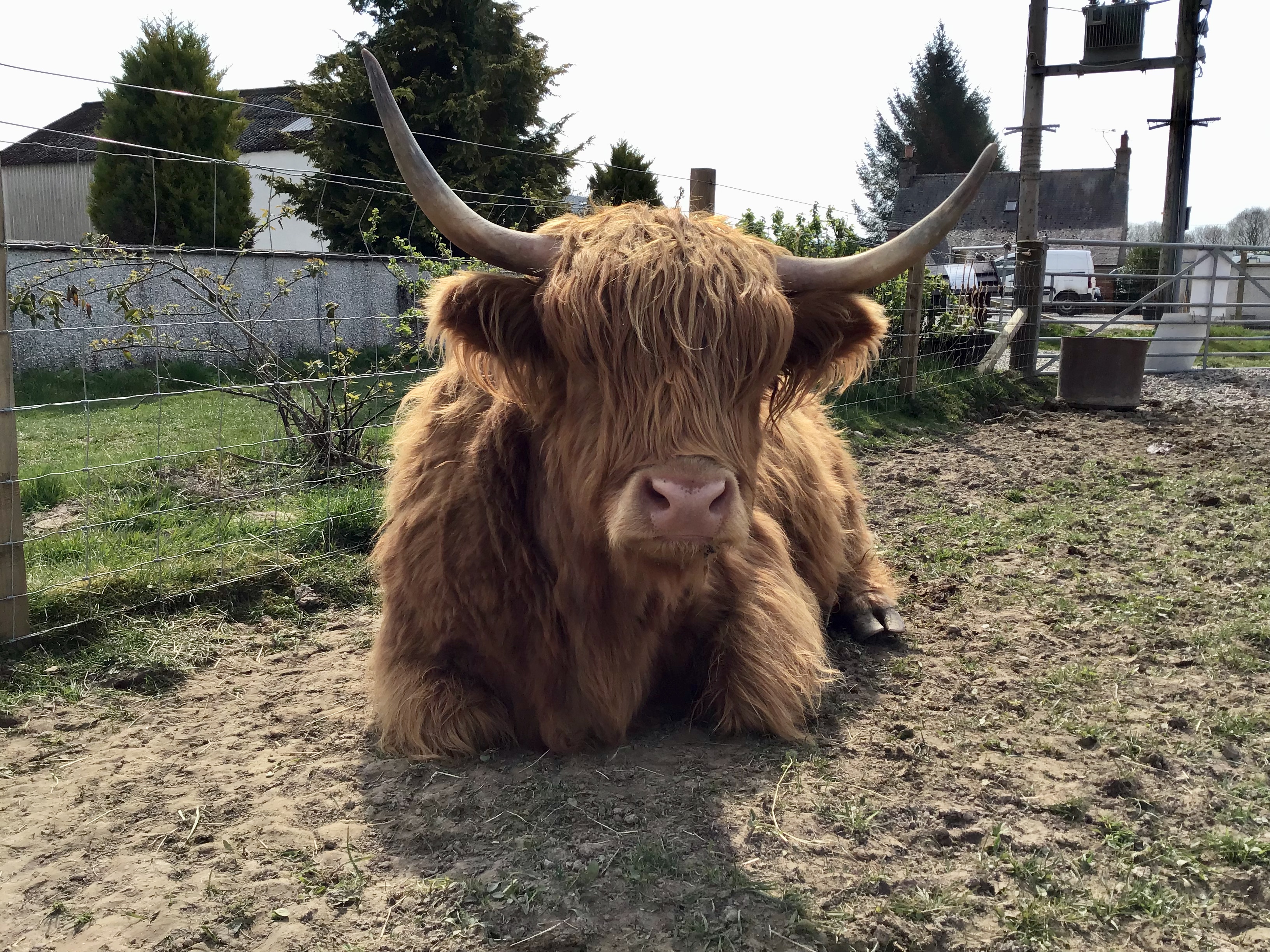
Photo: © Robertson’s the Larder
Robertson’s the Larder is a family-run farm shop located along the NC500 route, where visitors can browse local produce and Scottish treats before meeting the farm’s Highland cows, Katie-Morag and Jamie Fraser.
The farm is also home to alpacas, offering a relaxed way to enjoy a Highland farm experience alongside your wildlife adventures.
Find out more about Robertson’s the Larder
Responsible wildlife watching
The North Coast 500 offers incredible opportunities to experience Scotland’s wildlife, but the best encounters are those where animals are given the space and respect they need. Always remember that wildlife sightings are never guaranteed, and animals should be observed in their natural habitats without causing disturbance.
Keep a respectful distance, avoid approaching or disturbing animals, and follow any guidance from local wildlife organisations and tour operators. By taking your time and watching responsibly, you can enjoy unforgettable wildlife experiences while helping protect the species and landscapes that make the Highlands so special.